- Home
- Sanno-matsuri Festival!

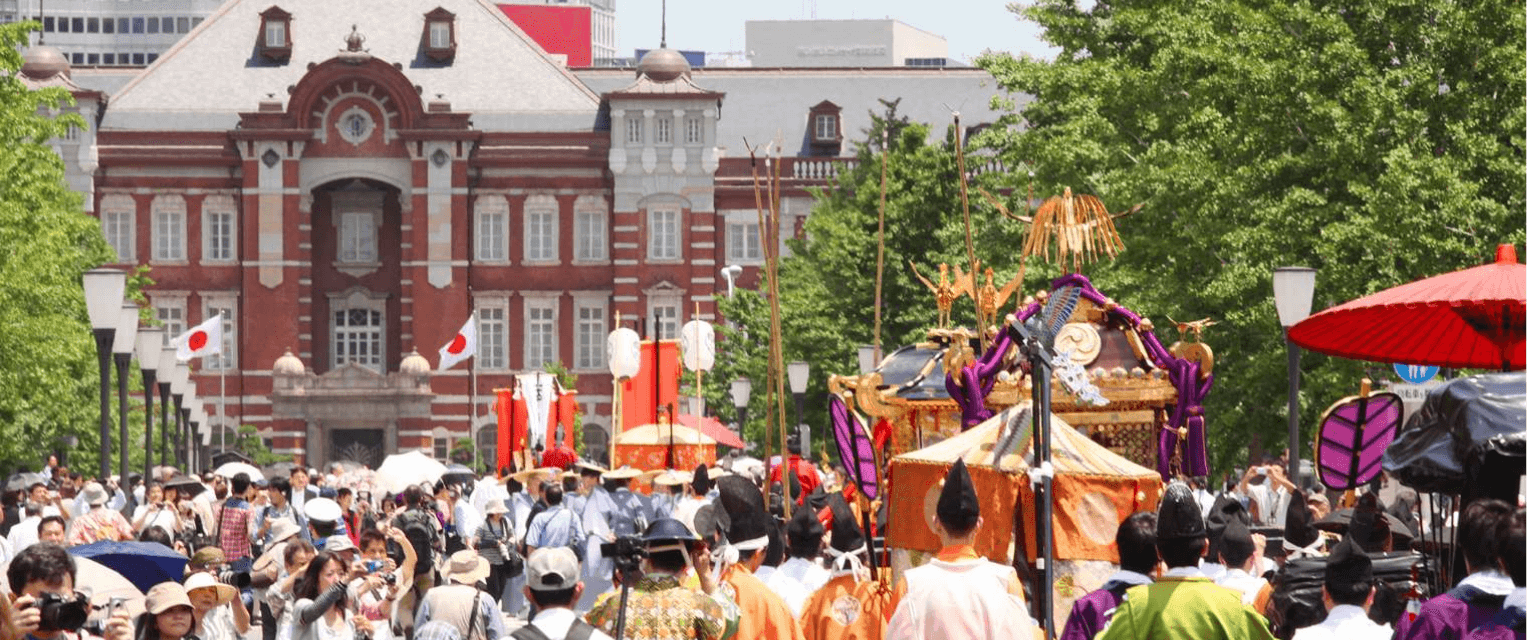
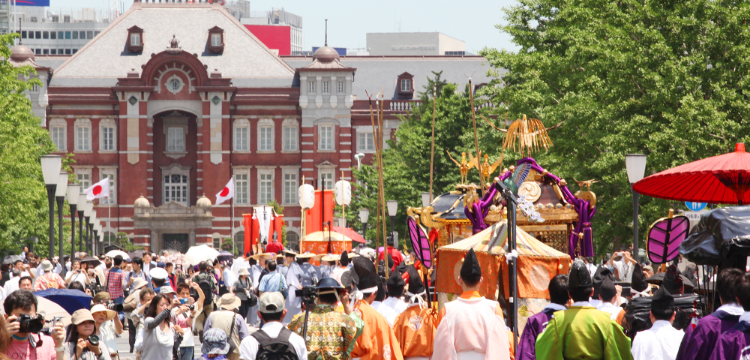
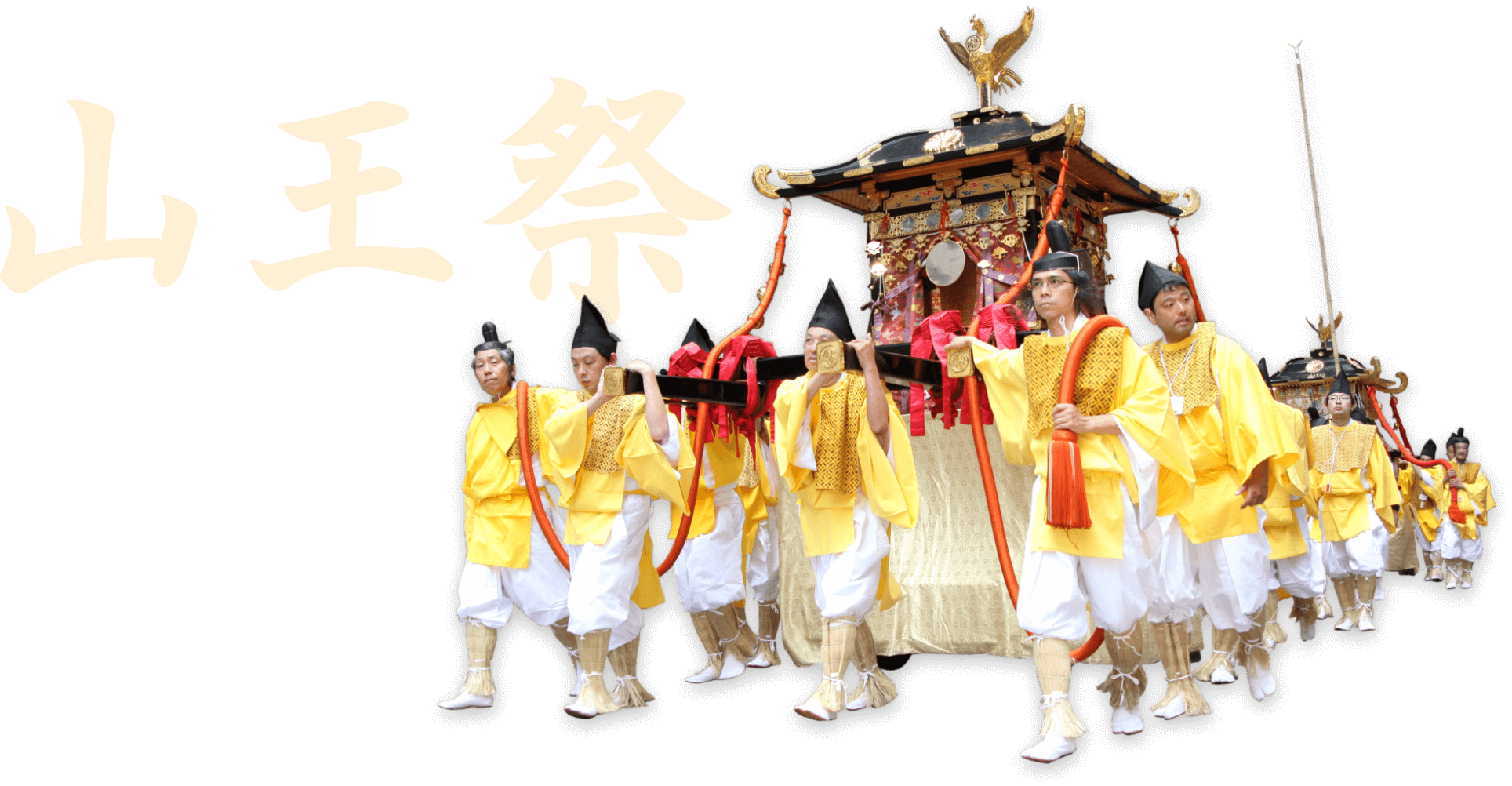
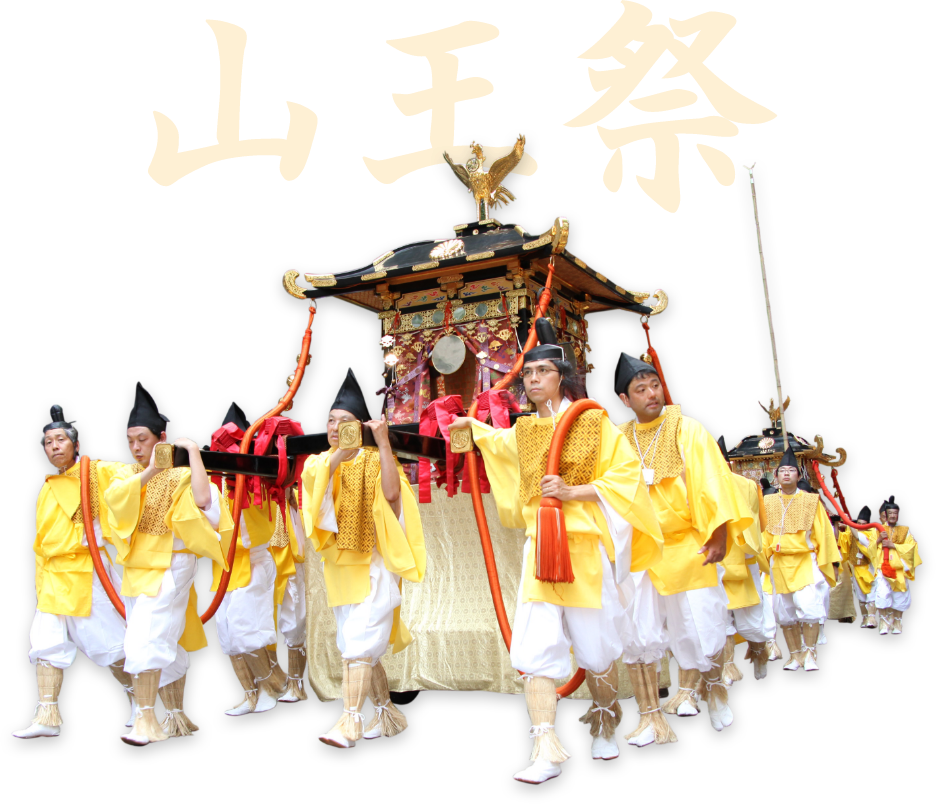
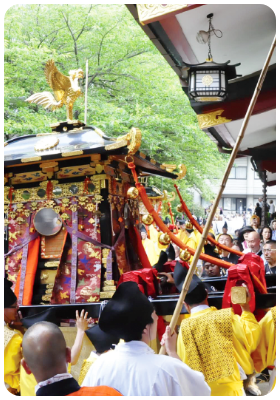
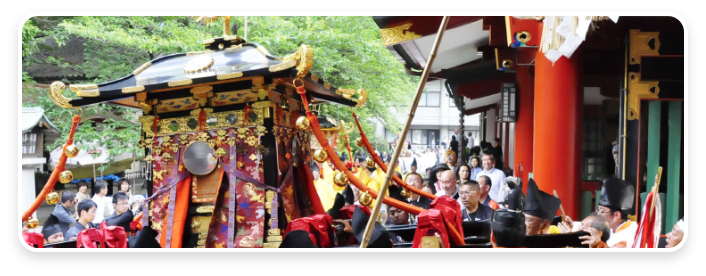
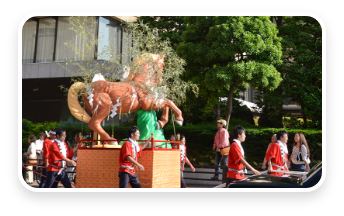
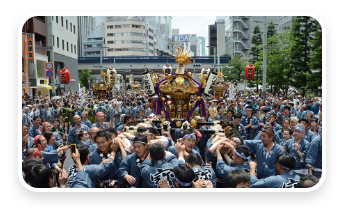
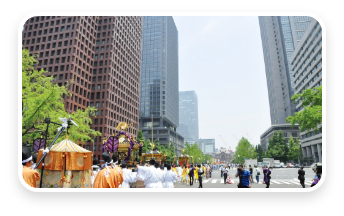
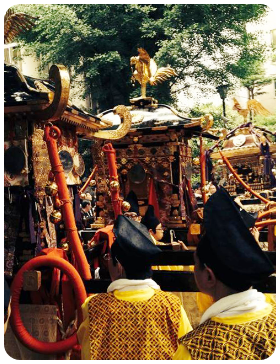
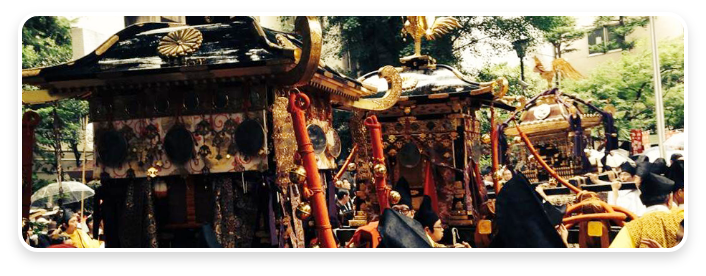
The sight of the 300-meter-long procession, featuring people in traditional Japanese attire, portable shrines, and vintage vehicles, is truly spectacular.
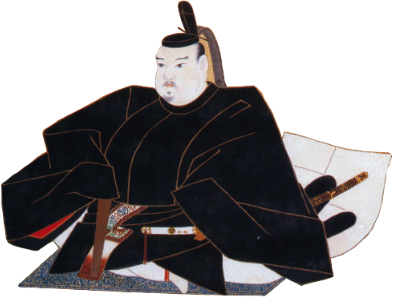

A festival that was specially attended by shoguns during the Edo period. Held once every two years, this festival is counted among the Three Great Festivals of Edo.
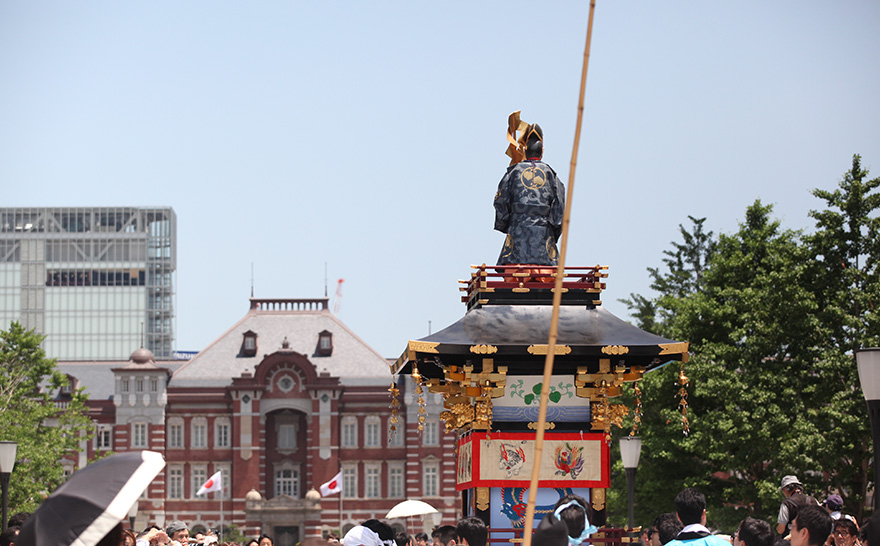

Jinko-sai[ 8:00a.m.~6:00p.m. ]
Click here▼Mikoshi entering the shrine
[ Around 5:00p.m. ]
Dashi and Mikoshi entry Hie-jinja Sent back into
[ 4:00p.m.~5:00p.m. ]
![6/12 [Fri]](./uniq/images/en_scheduled_tour_time_item3.png)
8:00 a.m.
Hie-jinja Shrine departure
6:00 p.m.
Hie-jinja Shrine arrival
6:00 p.m.
Hie-jinja
Shrine arrival
8:00 a.m.
Hie-jinja
Shrine departure


11:05 a.m.
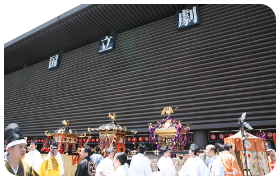
National Theatre
4:55 p.m.
IMPERIAL HOTEL
4:55 p.m.
IMPERIAL HOTEL
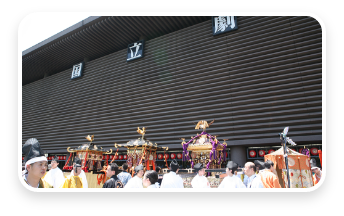
11:05 a.m.
National Theatre
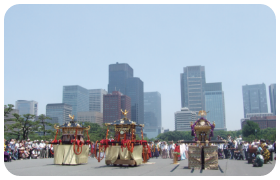
00:20 p.m.
Sakashita-mon gate
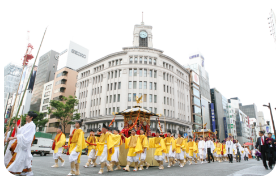
4:05 p.m.
Ginza,4
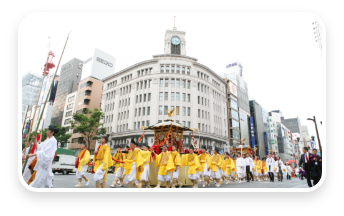
4:05 p.m.
Ginza,4
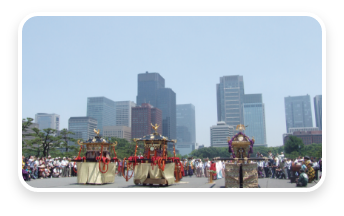
00:20 p.m.
Sakashita-mon gate
1:05 p.m.
Marunouchi Bldg
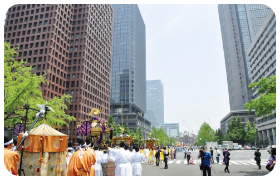
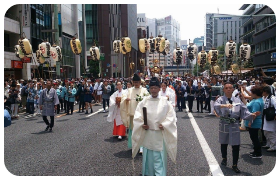
3:50 p.m.
Kyobashi,3
3:50 p.m.
Kyobashi,3
1:05 p.m.
Marunouchi Bldg
2:05 p.m.
Nihonbashi Hie-jinja Shrine
2:05 p.m.
Nihonbashi Hie-jinja Shrine
 This is Sanno-matsuri Festival!
Highlights
This is Sanno-matsuri Festival!
Highlights
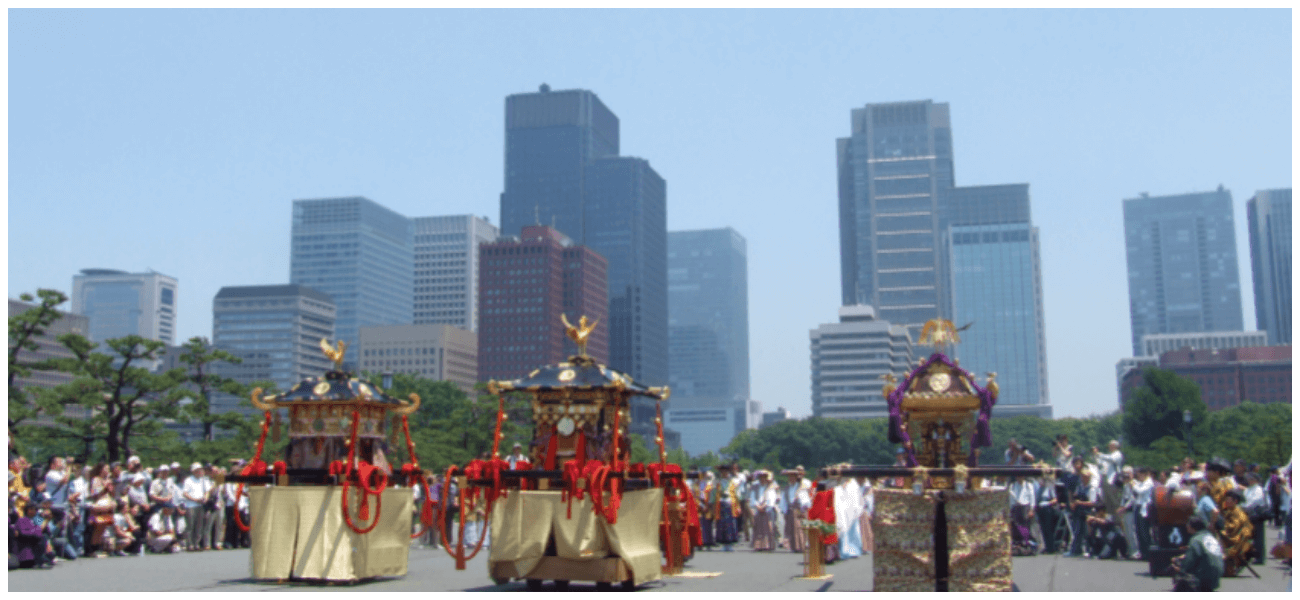

Three major festivals in Edo(Tokyo)

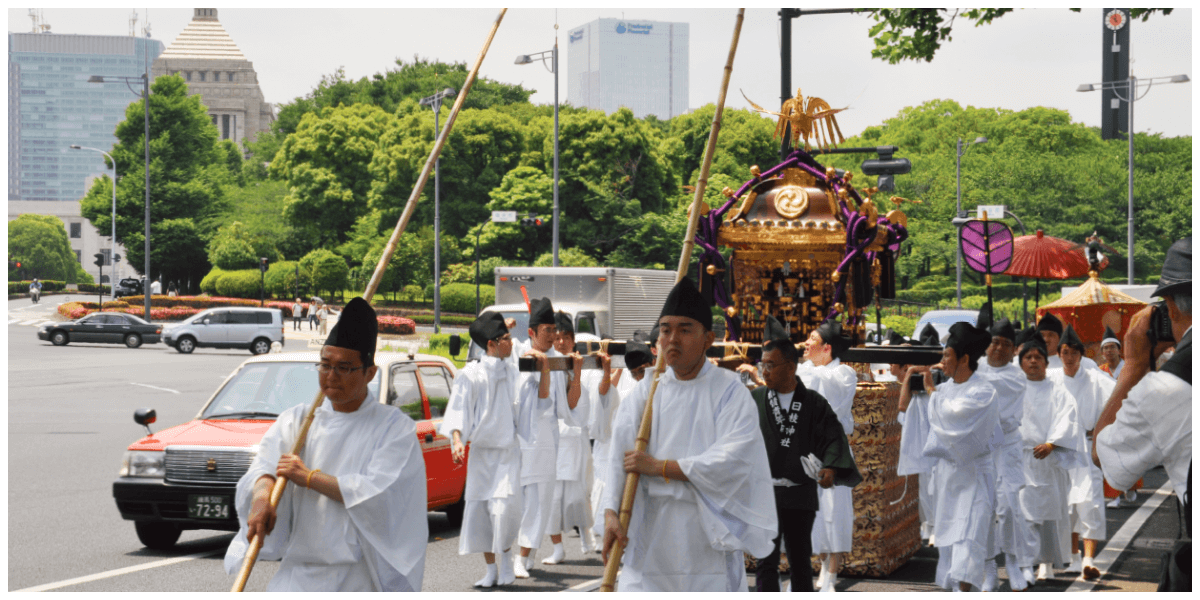
It's like slipping back time, seeing the pilgrims going through center of Tokyo (Imperial Palace, National Diet Building, Nihombashi, Ginza, etc.) in imperial costumes!
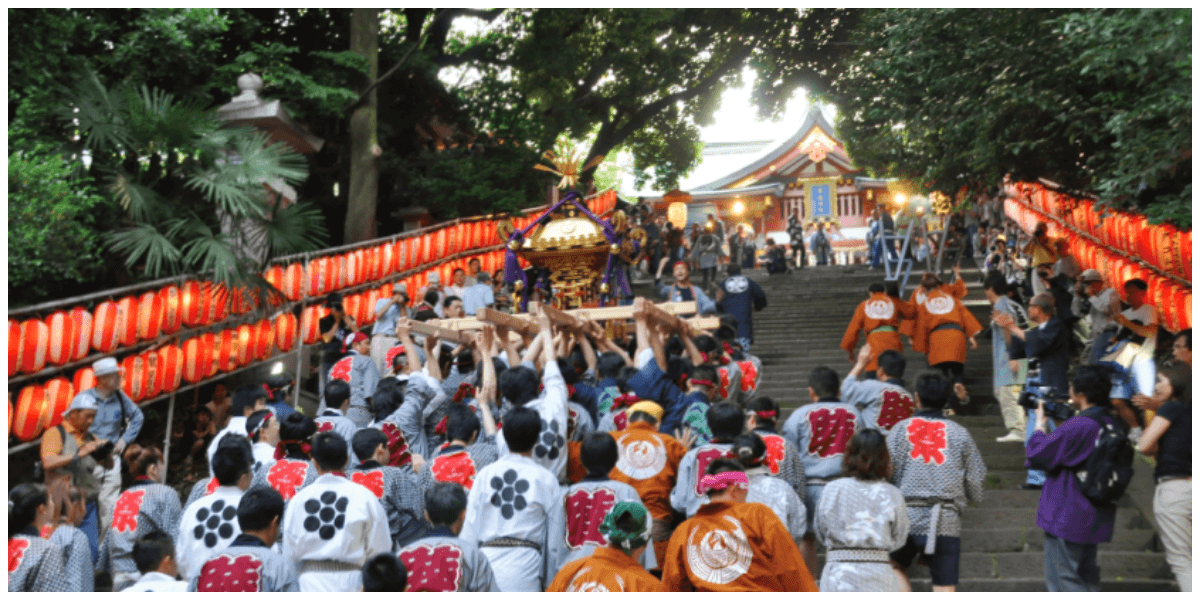
The sight of the Mikoshi,portable shrine being carried up 52 stone steps is heroic and spectacular!
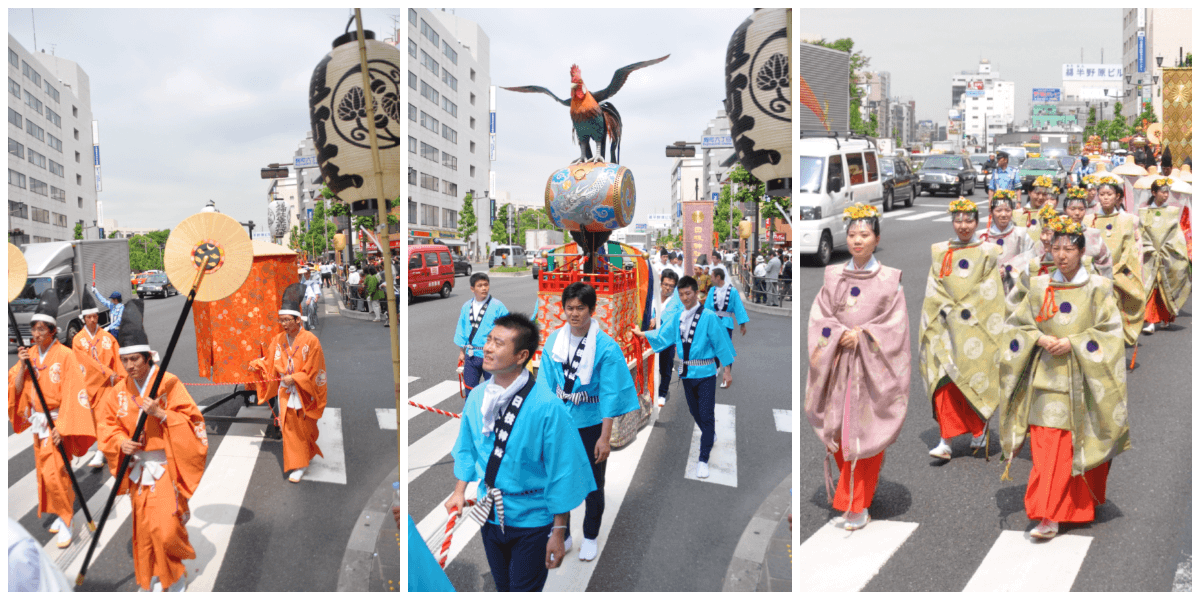
The Mikoshi(portable shrine) and Dashi(float), which have been handed down from the Edo period, are held once every two years.
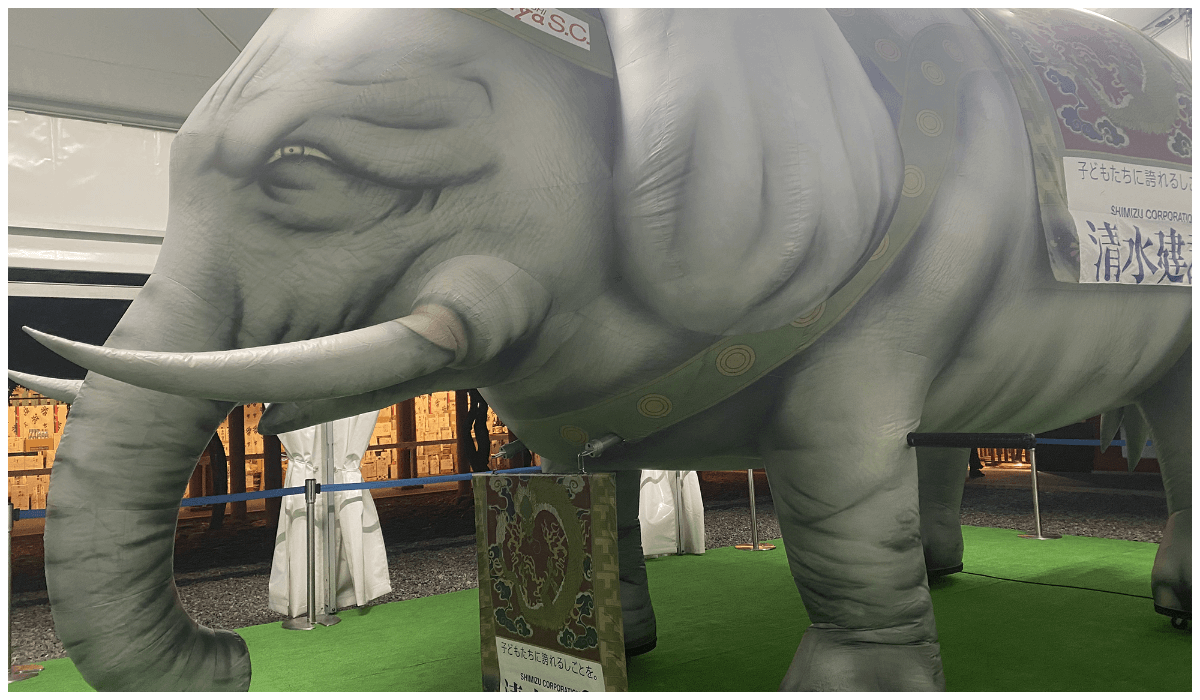
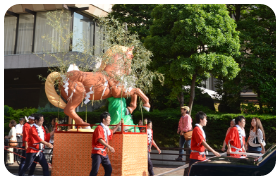
The float featuring an elephant—said to be the origin of the name “Hanzomon” Gate—makes its appearance.
More